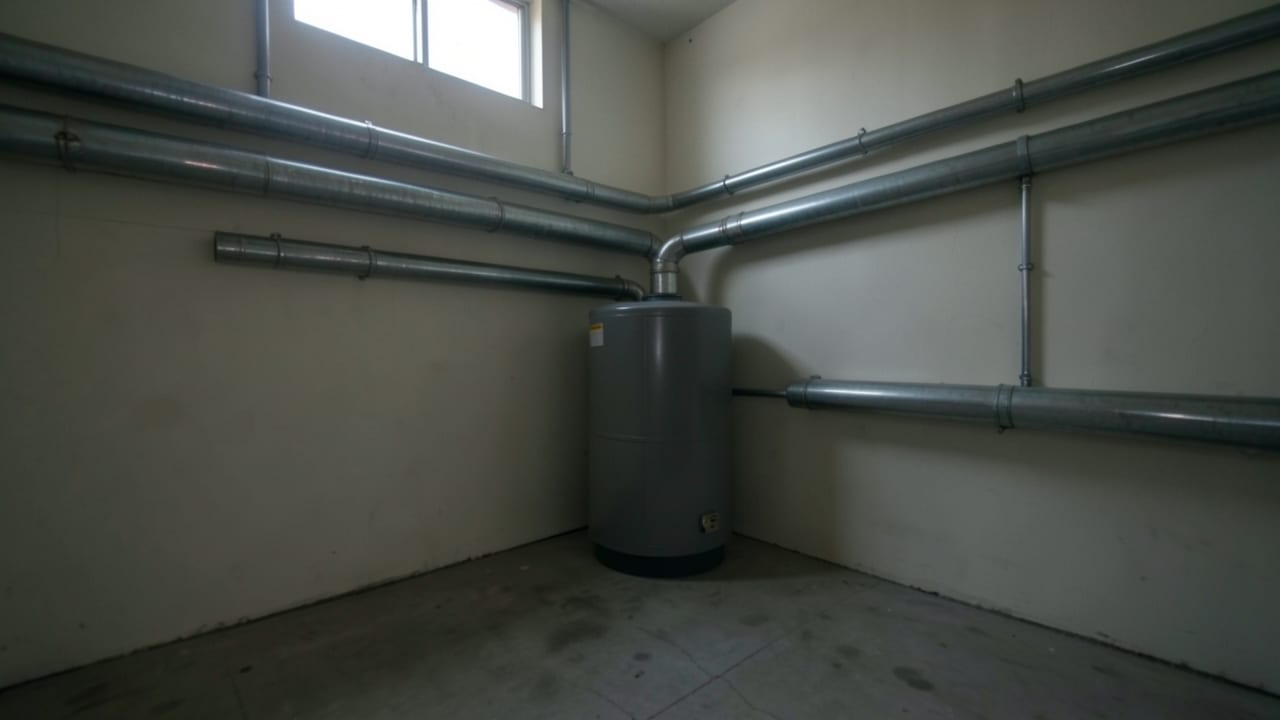
Hard Water Mineral Duct Cleaning
Removal of mineral buildup from HVAC ducts caused by hard water to improve airflow and system efficiency.
Hard water mineral buildup in HVAC ducts is common in Morristown, NJ, where water supply minerals like calcium and magnesium accumulate over time. This reduces airflow, strains your system, and can lead to uneven heating or cooling.
A specialized cleaning targets these deposits using mechanical agitation and HEPA filtration, improving efficiency and indoor air quality without chemical treatments.
We also handle UV Light & Sanitization Treatment and Air Filter Replacement for Morristown properties.
Why hard water minerals clog your ducts
Morristown’s water supply contains higher levels of minerals that evaporate inside ductwork, leaving behind crusty deposits. These buildups restrict airflow, forcing your HVAC to work harder and raising energy costs. Unlike dust or biological growth, mineral deposits don’t respond to standard vacuuming—they require mechanical removal to restore proper function.
The problem often shows up as inconsistent airflow in certain rooms, a musty odor when the system runs, or dust settling near vents shortly after cleaning. These signs suggest mineral buildup is feeding dust back into your living space rather than being contained in the ducts.
Signs Your Ducts Need Mineral-Specific Cleaning
- A fine gray film or crust visible on or near vent grilles that reappears quickly after wiping
- Dust puffing from vents when the HVAC first turns on, or resettling within 24–48 hours of cleaning
- Musty or stale smells that fade once the system shuts off (points to trapped moisture + minerals)
- Uneven heating/cooling between rooms, with some areas feeling weaker airflow than others
- A visible buildup inside flexible duct sections when inspected with a mirror or camera
What affects pricing and how often you’ll need it
Pricing for hard water mineral duct cleaning in Morristown varies based on duct layout complexity, mineral deposit severity, and whether the service includes coil and blower cleaning. A flat-rate model typically covers the main trunk lines and vents, while per-vent pricing can skew higher for larger homes with extensive ductwork.
How often you’ll need this service depends on your home’s mineral exposure, air filter maintenance, and duct sealing. Homes with hard water and infrequent filter changes may require repeat cleanings every 2–4 years, while proactive maintenance (sealing gaps, changing filters every 1–3 months) can extend intervals.
Common mistakes that undermine the cleaning
Skipping register sealing during cleaning lets dislodged mineral dust and debris blow into living spaces instead of being captured. This spreads the problem rather than removing it.
Similarly, aggressive brushing in flexible duct sections can disconnect joints, sending conditioned air into wall cavities or attics—an issue that may not surface until heating/cooling performance drops.
Overlooking coil and blower cleaning leaves residual mineral buildup that can reintroduce dust into the airstream. A thorough service includes these components, even if they’re not always part of the quoted price.
Ductwork disconnected during agitation can go unnoticed until conditioned air escapes into unconditioned spaces. Always confirm the crew checks for loose joints after mechanical cleaning.
How hard water mineral duct cleaning works
- 1Inspection with Camera/Mirror
A visual check identifies mineral deposits, dust pockets, and biological growth in supply/return ducts before any cleaning begins. This pinpoints areas needing agitation versus those already clear.
- 2Sealing and Negative-Pressure Setup
Non-working registers are sealed, and a HEPA-filtered vacuum is connected to the system. This ensures dislodged debris is captured on-site rather than recirculating through open vents.
- 3Mechanical Agitation
Rotary brushes or compressed-air whips loosen mineral crusts and compacted dust from duct walls. This step is critical for hard water deposits, which won’t budge from suction alone.
- 4HEPA Extraction and Register Cleaning
Dislodged material is pulled into the HEPA system, and all registers, grilles, and diffusers are removed and cleaned separately to address surface-level buildup.
- 5Airflow Verification
After reassembly, airflow is measured at key registers to confirm improvements. A noticeable increase suggests the cleaning addressed the root cause, not just redistributed dust.
Frequently asked questions
Will this cleaning remove the musty smell from my ducts?
It may reduce or eliminate the odor if minerals and trapped moisture are the source. However, if microbial growth is also present, a dedicated antimicrobial treatment (applied separately) is often needed to fully address the smell.
How do I know if my ducts have mineral buildup versus just dust?
Mineral deposits often appear as crusty, chalky residue on duct walls or vent grilles, while dust is usually loose and powdery. A camera inspection can confirm the type of buildup before cleaning begins.
Can I seal duct gaps myself to slow down future buildup?
Yes, sealing obvious leaks at register boots or duct joints with mastic sealant or metal tape can reduce dust entry. However, hard water minerals require professional removal—they won’t be fully stopped by sealing alone.
Why does dust keep coming out of my vents after cleaning?
This often signals either residual mineral dust being pushed into living spaces or new dust being pulled from unsealed gaps. Regular filter changes (every 1–3 months) and re-sealing ducts can help, but mineral deposits may need repeat cleaning.
Where Morristown sits, and what the Census lists nearby
Morristown sits in New Jersey, and the closest places listed in the U.S. Census Gazetteer are Cedar Knolls (1.9 miles northeast), Morris Plains (2.9 miles north), Whippany (3.6 miles northeast), New Vernon (4 miles south).
Within 25 miles of Morristown the same source lists 236 distinct incorporated places and census-designated places.
Those figures matter for hard water mineral duct cleaning because they are straight-line distances between Census coordinate points: road mileage between Morristown and Cedar Knolls runs longer than the 1.9 miles shown, which is why quotes for the same job differ between towns that look close together on a map.
Source: U.S. Census Bureau Gazetteer.
See Madison, NJ for more, or see our complete Morristown service list on a single page for our complete lineup.
Ready to get started?
Talk to a local air duct cleaning pro in Morristown — get a written quote.
Other Air Duct Cleaning Services in Morristown
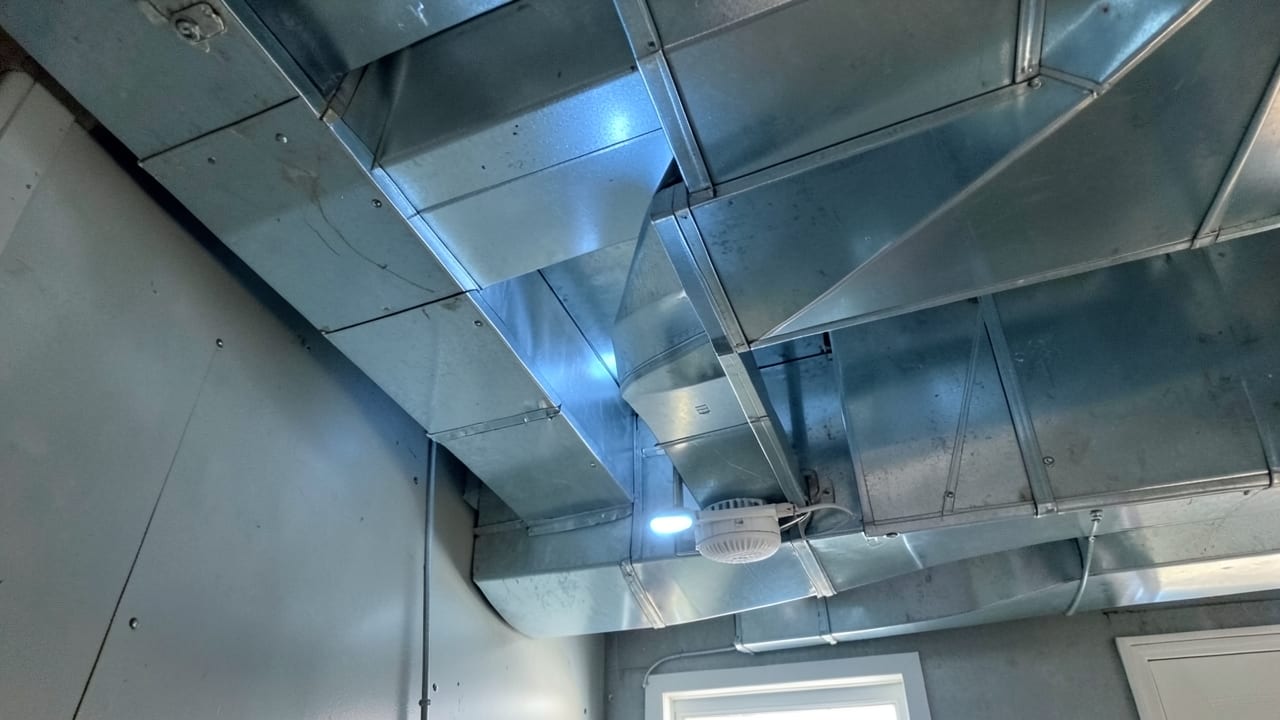
UV Light & Sanitization Treatment in Morristown, NJ
UV-C light installation and duct sanitization treatment in Morristown, NJ — an ongoing defense against microbial growth on the evaporator coil.
Learn More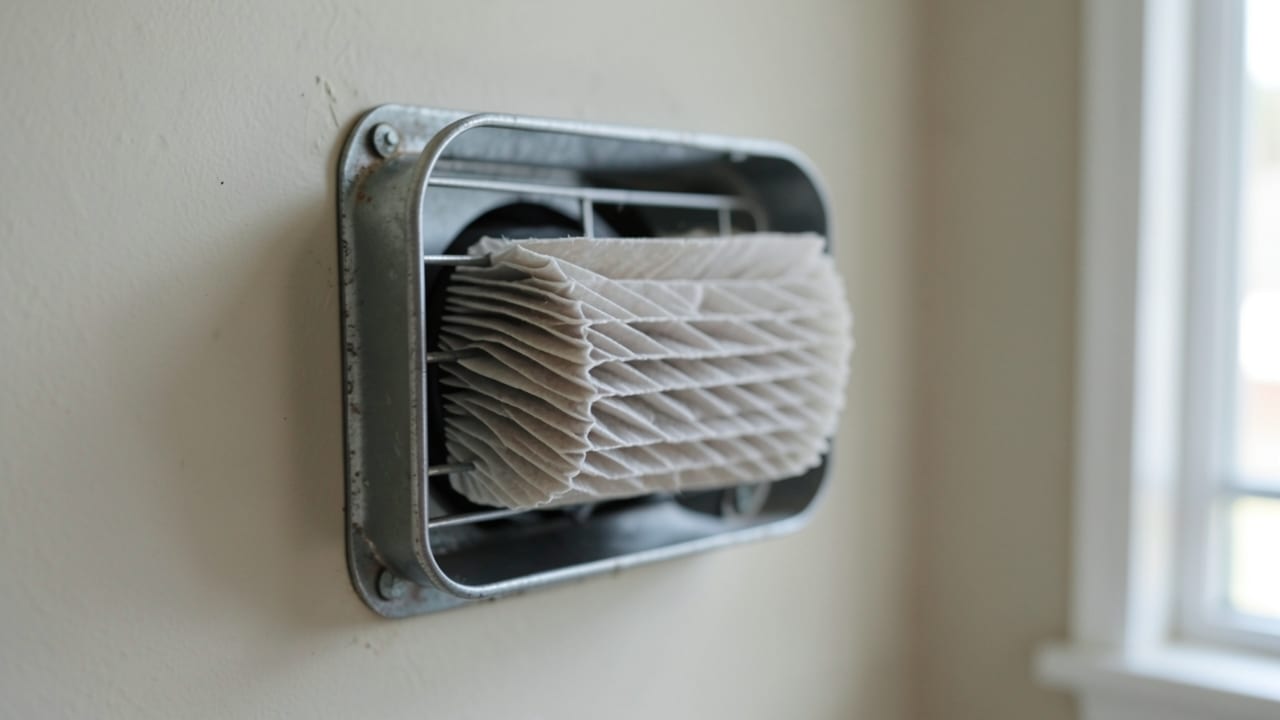
Air Filter Replacement in Morristown, NJ
Air filter replacement and MERV-rating guidance in Morristown, NJ, matched to household needs and system airflow limits.
Learn More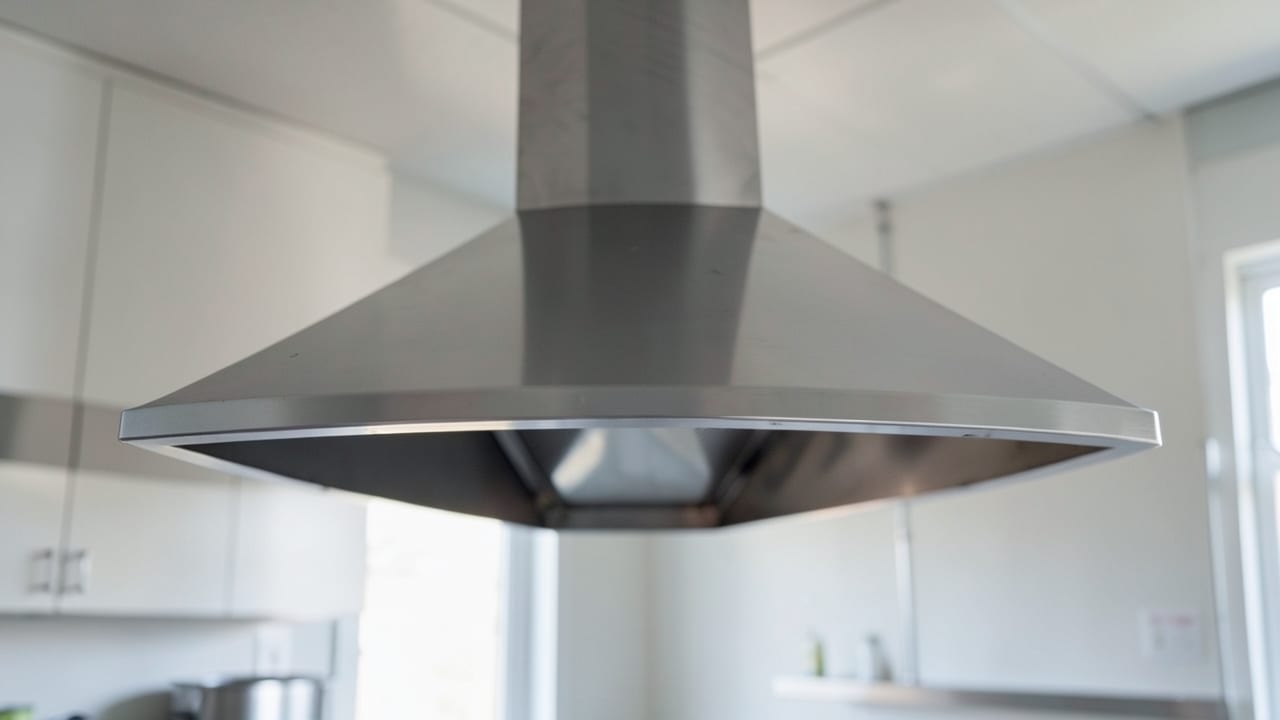
Kitchen Exhaust Hood Cleaning in Morristown, NJ
Commercial and residential kitchen exhaust hood cleaning in Morristown, NJ — removes grease buildup from hoods, filters, and ductwork.
Learn More
Bathroom Exhaust Fan Cleaning in Morristown, NJ
Bathroom exhaust fan cleaning in Morristown, NJ clears dust and lint from the fan housing and vent run, restoring proper airflow.
Learn More
Duct Sealing in Morristown, NJ
Duct sealing in Morristown, NJ closes leaks in supply and return ductwork that waste conditioned air and strain the HVAC system.
Learn More
Furnace & Vent Cleaning in Morristown, NJ
Furnace and vent cleaning in Morristown, NJ clears the burner compartment, blower, and venting of dust and combustion byproducts.
Learn MoreCommon Questions About Air Duct Cleaning in Morristown
Everything you need to know about air duct cleaning services in Morristown
How much does Hard Water Mineral Duct Cleaning typically cost in Morristown, NJ?
What local factors get checked before recommending duct cleaning in Morristown, NJ?
How long does a typical air duct cleaning appointment take?
Can duct cleaning damage older or fragile ductwork?
Does duct cleaning include the coils and blower compartment, or only the ducts themselves?
What's the real difference between flat-rate and per-vent air duct pricing?
Need Air Duct Cleaning in Morristown?
Get a written quote from our Morristown crew.
⏰ We answer your call • Serving all of Morristown and surrounding areas