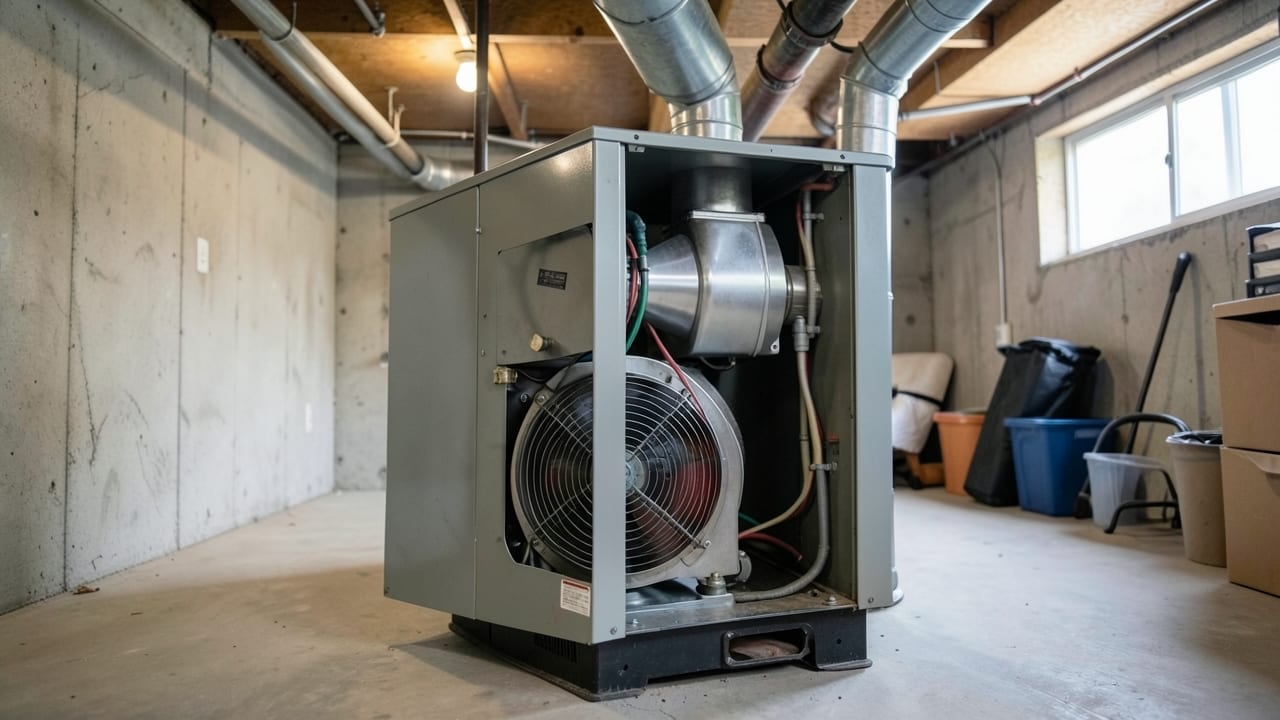
Air Handler Cleaning
Professional cleaning of air handler units to improve HVAC efficiency and indoor air quality.
Air handler cleaning in Morristown, NJ targets the core of your home’s HVAC system—the blower, coils, and housing—where dust, debris, and contaminants accumulate over time. This maintenance step improves airflow, reduces energy costs, and helps prevent mold growth in the central unit that circulates air throughout your home.
Regular cleaning is especially important in older homes or those with pets, allergies, or visible dust buildup near vents.
We also handle Crawl Space Duct Cleaning and Return Vent Cleaning for Morristown properties.
When to consider air handler cleaning
Signs your air handler needs cleaning often appear in the living spaces rather than inside the ducts themselves. A puff of dust when the system first turns on, or dust resettling on furniture within days of cleaning, suggests debris is still circulating.
A musty smell that fades once the system shuts off points to biological buildup inside the ducts. Rooms that collect dust faster than others may have a vent actively delivering particulate rather than just surface settling.
Visible buildup at register grilles—especially a fine gray film that reappears quickly—can indicate what’s trapped just inside the ductwork. These clues help determine whether a cleaning is needed, but they also highlight why a thorough inspection of the entire system (not just the vents) is essential.
Skipping this step may leave hidden dust or moisture behind, which can lead to new issues over time.
Signs Your Air Handler Needs Attention
- Dust puffs or resettles on surfaces within days of cleaning
- Musty or stale smell that disappears when the system is off
- One or more rooms collect dust noticeably faster than others
- Visible gray film or buildup at register grilles that returns quickly
- Reduced airflow from vents compared to before cleaning
What affects pricing and timing?
Pricing for air handler cleaning varies based on the scope of work, not just the size of your home. A flat whole-house price covers the main trunk lines, coils, and blower, while per-vent or per-register pricing can lead to widely different totals for the same house.
Some estimates exclude the HVAC unit itself, focusing only on visible duct openings, which removes far less debris than a full-system clean. Method matters too: negative-pressure HEPA vacuum systems remove more contaminants than shop-vac methods at individual vents.
How often cleaning is needed depends more on household habits than a fixed schedule. Changing air filters every 1–3 months (based on type and pet/dust levels) is critical, as clogged filters force dust into the ducts.
Sealing gaps where ducts connect to registers or join in unfinished spaces also slows buildup. Industry recommendations range from once a year to once every five years, but the real interval depends on factors like pets, allergies, or recent renovations that stir up dust.
| Factor | Impact on Pricing/Timing |
|---|---|
| Pricing Model | Flat whole-house prices cover more than per-vent or per-register rates |
| Scope of Work | Includes coils/blower? Excludes main trunk lines? |
| Method Used | Negative-pressure HEPA systems remove more debris than shop-vac methods |
| Household Habits | Pets, allergies, or filter changes affect how quickly dust returns |
| Duct Condition | Visible buildup vs. hidden moisture or biological growth changes the approach |
Common pitfalls to avoid
Aggressive brushing or air whips during cleaning can disconnect flexible duct sections, sending conditioned air into wall cavities or attics instead of living spaces. Skipping the step of sealing off registers not being worked on lets dislodged dust blow straight into rooms, defeating the purpose of the service.
Overapplying moisture-based treatments or biocides without proper drying can create damp conditions that promote new microbial growth inside the ducts.
Beware of quotes that seem unusually low—this often signals a less thorough method, like shop-vac cleaning at vents rather than a full negative-pressure system clean. Bundled add-ons, such as UV-light treatments proposed during the visit, can obscure the actual cost of the core service.
Always confirm whether the estimate includes a before-and-after inspection, as this is the only way to verify how much debris was actually removed.
A price far below others for the same house size may indicate a less effective method. No mention of coils/blower cleaning or before-and-after inspection means the scope could be incomplete. Pressure to add treatments on-site can inflate costs without addressing the root issue.
How air handler cleaning works
This process targets the blower, coils, and housing of your HVAC system to remove deep-seated dust and debris.
- 1System Inspection
A camera or mirror inspection identifies concentrated dust, debris, or biological growth in supply and return runs before cleaning begins. This step ensures the crew knows which sections need agitation and which are already clear.
- 2Register Sealing and Negative-Pressure Setup
Registers not being worked on are sealed off, and a negative-pressure collection unit is connected to the system. This pulls dislodged dust into a HEPA-filtered collector instead of blowing it into living spaces.
- 3Mechanical Agitation
A rotary brush or compressed-air whip is run through each duct run to knock compacted dust off interior walls. This step is necessary because suction alone often fails to remove dust that has settled over years.
- 4HEPA Vacuum Extraction
Dislodged material is pulled into a HEPA-filtered system, capturing fine particulate on-site rather than releasing it back into the air. This ensures the dust removed stays removed.
- 5Register and Diffuser Cleaning
Each supply and return register, grille, and diffuser is removed and cleaned separately, as these surfaces accumulate different types of buildup—like pet hair—than deeper ductwork.
- 6Airflow Verification
After reassembly, airflow at several registers is checked against pre-cleaning levels to confirm circulation has improved. This step ensures the work addressed the root issue rather than just redistributing dust.
Frequently asked questions
How do I know if my air handler needs cleaning, or if the issue is something else?
Look for dust puffs when the system turns on, musty smells that fade when the system is off, or rooms that collect dust faster than others. These signs often point to duct or air handler buildup. However, reduced airflow could also stem from a failing blower motor or clogged filter, so an inspection is key to diagnosing the exact cause.
Will cleaning my air handler improve my allergies or asthma symptoms?
Removing dust, debris, and potential biological growth from the air handler can reduce airborne irritants circulating through your home. However, results vary depending on the severity of allergies, other household sources of allergens, and whether the ducts themselves are the primary issue. A thorough cleaning may help, but addressing filters, humidity levels, and outdoor allergens is also important.
How often should I schedule air handler cleaning for my Morristown home?
There’s no one-size-fits-all answer—industry guidance ranges from once a year to once every five years, but the real interval depends on factors like pets, renovations, or filter changes. Homes with heavy dust, pets, or visible buildup near vents may need more frequent attention, while others with sealed ducts and regular filter replacements might go longer. Monitoring airflow and dust levels helps determine the right timing.
Can I clean my air handler myself, or should I hire a professional?
While you can vacuum registers or coils, cleaning the entire air handler—especially the blower, coils, and duct runs—requires specialized equipment like negative-pressure HEPA systems and inspection cameras. Professionals also spot hidden issues, like disconnected flex ducts or moisture buildup, that DIY methods might miss. For safety and effectiveness, hiring a trained technician is recommended.
Where Morristown sits, and what the Census lists nearby
Morristown sits in New Jersey, and the closest places listed in the U.S. Census Gazetteer are Cedar Knolls (1.9 miles northeast), Morris Plains (2.9 miles north), Whippany (3.6 miles northeast), New Vernon (4 miles south).
Within 25 miles of Morristown the same source lists 236 distinct incorporated places and census-designated places.
Those figures matter for air handler cleaning because they are straight-line distances between Census coordinate points: road mileage between Morristown and Cedar Knolls runs longer than the 1.9 miles shown, which is why quotes for the same job differ between towns that look close together on a map.
Source: U.S. Census Bureau Gazetteer.
See Dover, NJ for more, or discover our complete Morristown service list for our complete lineup.
Ready to get started?
Talk to a local air duct cleaning pro in Morristown — get a written quote.
Other Air Duct Cleaning Services in Morristown
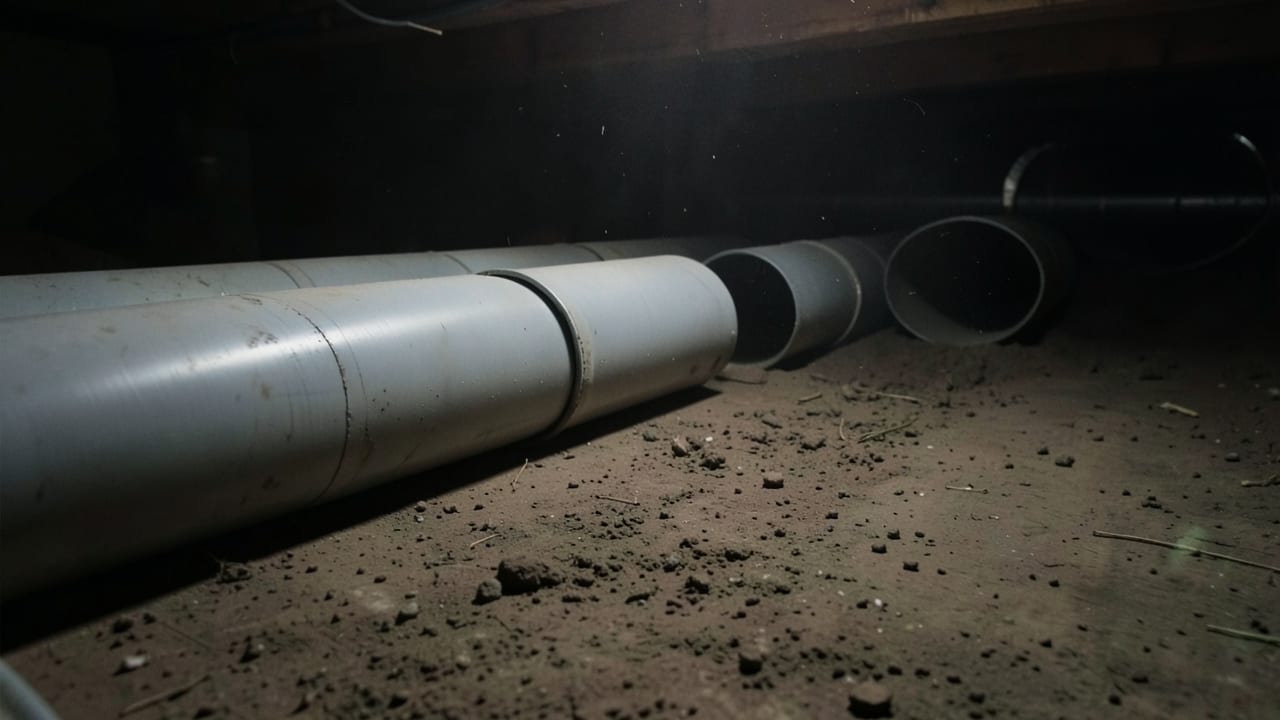
Crawl Space Duct Cleaning in Morristown, NJ
Professional cleaning of ductwork in crawl spaces to improve airflow and indoor air quality.
Learn More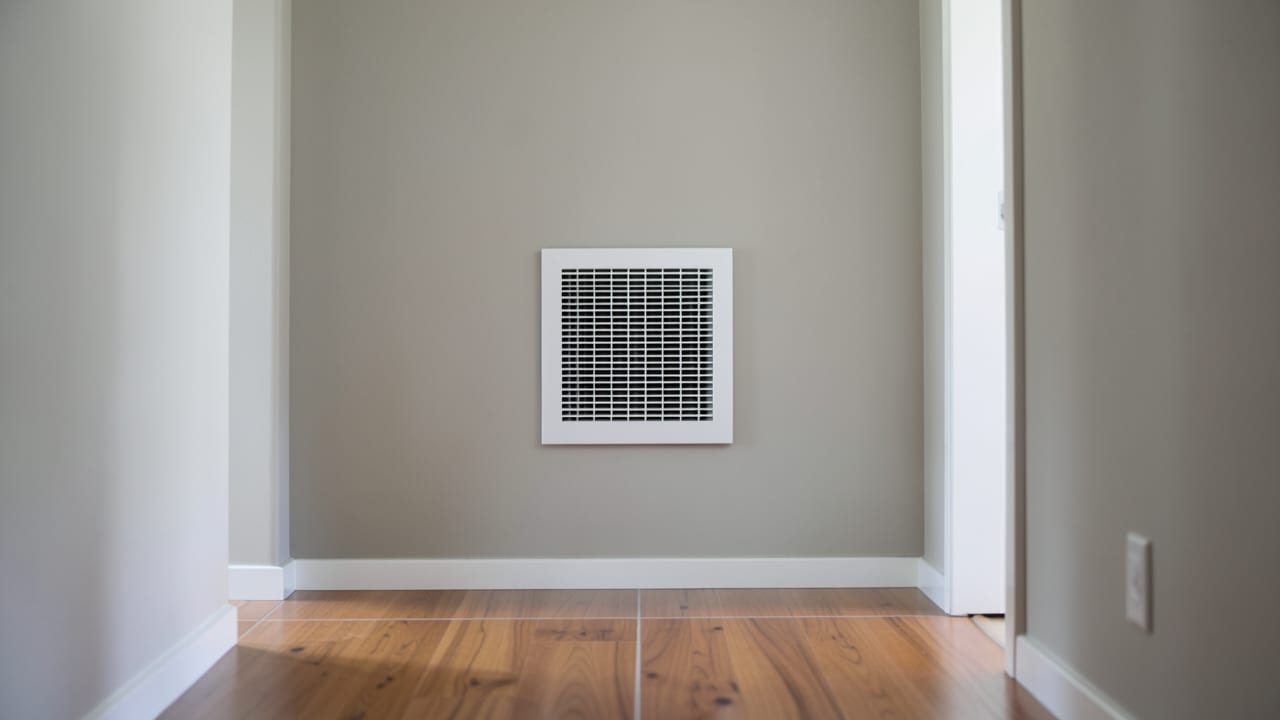
Return Vent Cleaning in Morristown, NJ
Professional cleaning of return vents to improve HVAC airflow and indoor air quality.
Learn More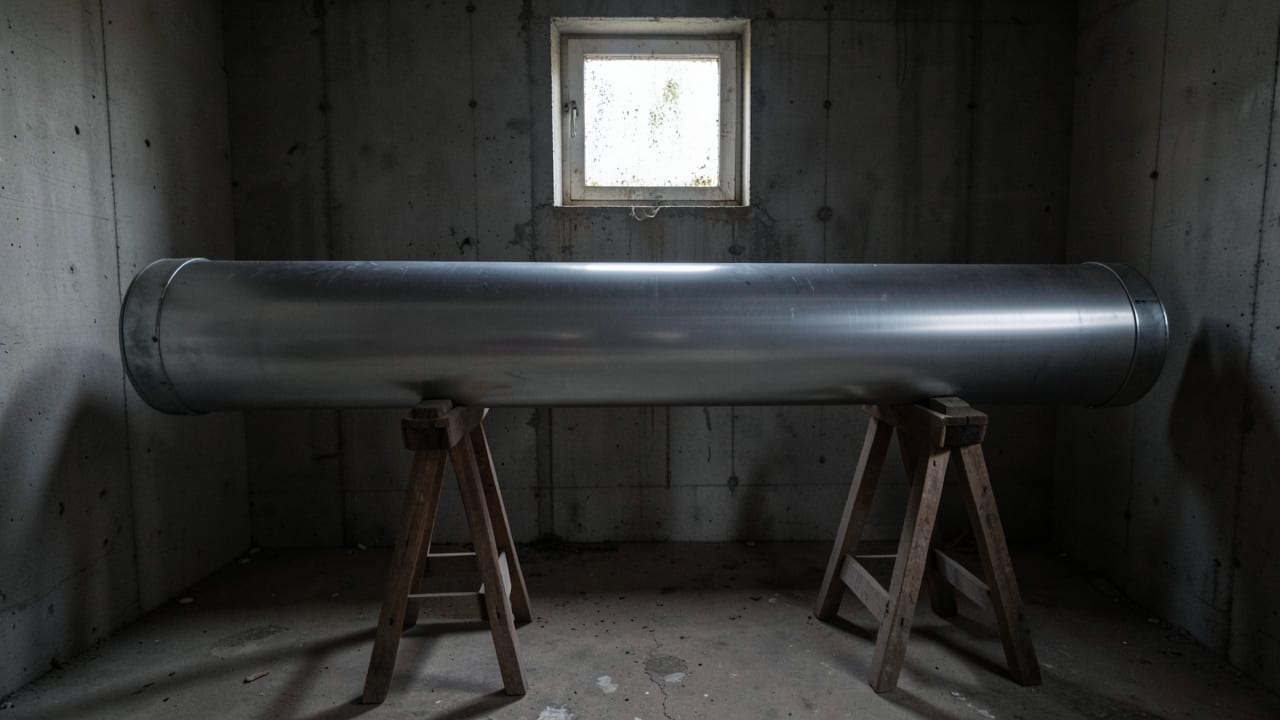
Metal Duct Cleaning in Morristown, NJ
Professional cleaning of metal ductwork to remove dust, debris, and contaminants from HVAC systems.
Learn More
Ductwork Inspection in Morristown, NJ
Professional inspection of air ducts and HVAC systems to assess cleanliness and functionality.
Learn More
Evaporator Coil Cleaning in Morristown, NJ
Professional cleaning of HVAC evaporator coils to remove dirt, dust, and debris for improved airflow and efficiency.
Learn More
Vent Cover Cleaning in Morristown, NJ
Professional cleaning of vent covers to improve airflow and indoor air quality.
Learn MoreCommon Questions About Air Duct Cleaning in Morristown
Everything you need to know about air duct cleaning services in Morristown
How much does Air Handler Cleaning typically cost in Morristown, NJ?
What local factors get checked before recommending duct cleaning in Morristown, NJ?
Can duct cleaning damage older or fragile ductwork?
Does duct cleaning include the coils and blower compartment, or only the ducts themselves?
What's the real difference between flat-rate and per-vent air duct pricing?
How often should air ducts actually be cleaned?
Need Air Duct Cleaning in Morristown?
Get a written quote from our Morristown crew.
⏰ We answer your call • Serving all of Morristown and surrounding areas